
Best Practices for Vibration Monitoring in Hazardous & Corrosive Industrial Environments
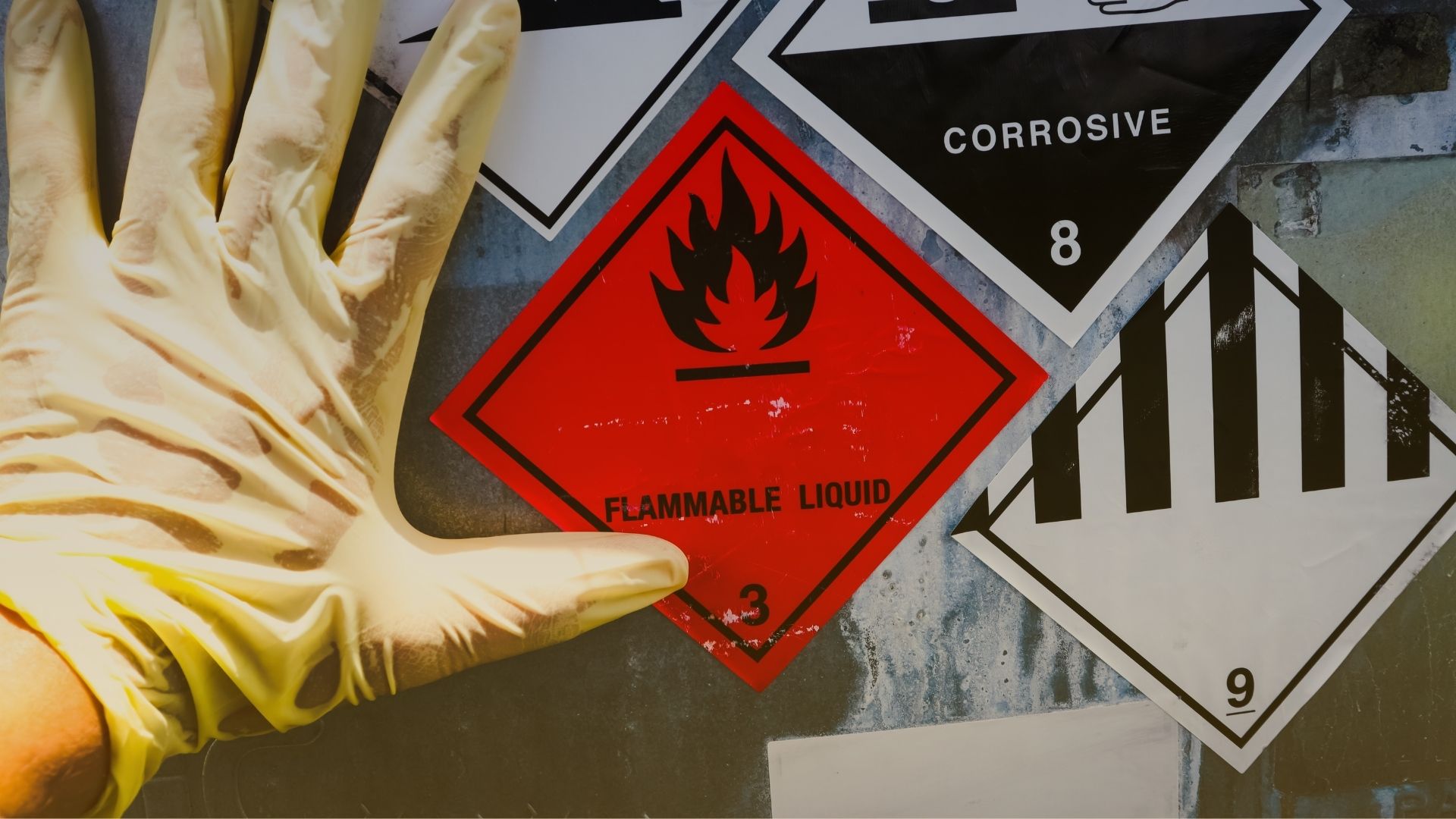
Selecting the proper vibration monitoring technology is crucial for safe and reliable operation in hazardous and corrosive environments.
In today’s industrial landscape, hazardous area vibration monitoring is essential for ensuring both safety and operational uptime. In environments such as chemical plants, refineries, and offshore platforms, flammable gases, dust, or corrosive chemicals introduce extreme risks. The failure of rotating and reciprocating equipment in these settings can lead not only to costly downtime but also catastrophic safety events.
Implementing reliable vibration monitoring systems in these harsh environments helps detect early signs of mechanical failure, enabling proactive maintenance and protecting both personnel and equipment. However, ensuring compliance with safety standards such as ATEX, IECEx, or UL, while also achieving accurate, real-time data, requires a thoughtful approach to technology selection, installation, and ongoing maintenance.
Understanding Hazardous and Corrosive Environments
Hazardous locations are areas where flammable gases, vapors, or combustible dust may be present in concentrations that could ignite under specific conditions. NRTL, CSA and UL are safety standards recognized in North America and include Class I Division I and Class I Division II classification areas. IECEx and ATEX are two globally recognized certification schemes that classify these areas. Common classifications include Zone 0, 1, and 2 for gases, and Zone 20, 21, and 22 for dust.
Corrosive environments are typically found in chemical processing plants, marine installations, and wastewater treatment facilities. In these settings, sensors are exposed to harsh substances such as chemicals, moisture, and salt spray. Without proper protection, these elements can rapidly degrade sensor components, reducing performance and lifespan.
Key considerations:
● Nature of the hazard (explosive gas, flammable dust, chemical exposure)
● Area classification and applicable safety standards (e.g., NFPA, NEC, IEEE, IEC 60079)
● Required ingress protection (e.g., NEMA, NEMA 4, NEMA 4X, IP66, IP67, IP68) and corrosion resistance ratings
Choosing the Right Vibration Monitoring Technology
Selecting the proper vibration monitoring technology is crucial for safe and reliable operation in hazardous and corrosive environments. Look for sensors and transmitters that carry certifications such as NRTL, CSA, UL, ATEX or IECEx, confirming their suitability for explosive atmospheres. Materials like stainless steel or specially coated alloys offer strong resistance to corrosion, making them ideal for chemical plants and offshore platforms. Additionally, devices with high ingress protection ratings help prevent moisture and contaminants from affecting performance. Prioritizing these features ensures accurate data collection and long-term equipment reliability.
Recommended sensor features:
● NRTL/ CSA/UL/ATEX / IECEx certification for use in explosive atmospheres
● Construction from 316 and 316L stainless steel or PTFE-coated components to resist corrosion
● High Ingress Protection (IP) ratings (e.g., NEMA 4, NEMA 4X, IP66 or higher)
● Temperature range suited to the installation environment
● Built-in signal conditioning for improved accuracy and stability
Explosion-Proof and Safety-Rated Enclosures
Using explosion-proof and safety-rated enclosures is essential when installing vibration equipment in hazardous areas. These enclosures are engineered to contain sparks or heat that could ignite flammable gases or dust, helping facilities comply with international safety standards such as NFPA, NEC, ISA, NRTL, CSA, UL, ATEX, and IECEx. In explosive and corrosive environments, enclosures made from robust materials like 316L stainless steel or corrosive resistant coatings or other materials add an extra layer of protection against chemical damage. By combining certified enclosures with high-quality sensors, you create a safer and more dependable monitoring system.
Best practices:
● Use enclosures rated per IEC 60079-1 (flameproof) or UL 1203 (explosion-proof) as appropriate
● Choose corrosion-resistant materials such as 316 and 316L stainless steel, epoxy-coated metal or fiber-reinforced polymer materials
● Ensure enclosures have certified cable glands and sealants to maintain integrity
Remote Monitoring and Data Collection
Remote monitoring solutions are increasingly valuable in hazardous and corrosive environments. Vibration sensors and transmitters help reduce the need for manual inspections, minimizing exposure to dangerous areas and lowering maintenance risks. These systems provide real-time data, allowing for quicker response to equipment issues and supporting predictive maintenance strategies. Secure data transmission and integration with control systems help ensure that information remains accurate and accessible. Remote monitoring not only improves safety but also enhances operational efficiency in challenging industrial settings.
Advantages of permanently mounted vibration sensors and transmitters:
● Reduce exposure of personnel to dangerous environments
● Enable real-time vibration analysis and trend tracking
● Integrate with existing SCADA or condition monitoring platforms
● Use industry standard outputs such as mV/g’s, mV/m/s2, mV/ips, mV/mm/s, etcetera for sensors and 4-20 milliamp for transmitters
Installation Best Practices
Proper installation is key to ensuring vibration monitoring systems operate safely and effectively in hazardous and corrosive environments. Begin with a thorough site assessment to identify hazardous zones and ideal sensor locations. Use certified cables and fittings that prevent the ingress of moisture or chemicals. All installation work should be performed by trained personnel familiar with safety regulations and industry standards. Attention to detail during installation helps prevent equipment failure and supports long-term system reliability.
Maintenance and Compliance
Ongoing maintenance is essential for keeping vibration monitoring systems accurate and compliant with safety standards. Regular inspections and calibration help detect sensor drift or corrosion before issues arise. Maintain detailed records of maintenance activities to support regulatory audits and demonstrate compliance. Incorporating corrosion monitoring alongside vibration analysis can further enhance equipment protection and operational safety.
Ongoing best practices:
● Schedule periodic sensor calibration and signal verification
● Inspect for signs of corrosion or mechanical wear
● Replace gaskets, seals, and filters as needed in enclosures
● Maintain full records of inspections, calibrations, and repairs for audit trails
● Pair vibration monitoring systems with corrosion monitoring data to gain a full view of equipment health
Implementing vibration monitoring in hazardous and corrosive environments demands careful planning and adherence to best practices. By selecting certified technologies, using robust enclosures, and following proper installation and maintenance routines, you can protect both your equipment and your workforce. Prioritizing these steps ensures reliable data collection, regulatory compliance, and a safer industrial environment.
Conclusion
Metrix has a full line of sensors and transmitters that are ready for hazardous area use, as well as trained personnel to help you make the right decision. Many Metrix products include corrosion-resistant materials and or coatings. Metrix is ready to help you with your hazardous area sensor and transmitter solutions. Please give us a call.